
Discover Mystic Pure Ayurveda’s 100% pure, steam distilled essential oils. Learn how to use them for skin, hair and aromatherapy, and how to use them safely. Ayurveda has long used plant oils and herbs for skin, hair and mind. At Mystic Pure Ayurveda, we bring that tradition into everyday routines with 100% pure and natural, steam distilled essential oils, along with cold pressed carrier oils to dilute them in. You can browse the full range here: Shop Mystic Pure Essential Oils What makes an essential oil “pure”? “Therapeutic grade” is a marketing term, and no single global body certifies it. So look for these signs of quality instead: Mystic Pure essential oils are steam distilled, pure and natural, and our formulations are cruelty free, vegan, and free from sulfates and parabens. Our essential oil range (Replace the bracketed links with your exact product page URLs.) Pair them with our carrier oils. Essential oils must be diluted before they touch your skin. Our cold pressed carrier oils are a gentle base for massage, face and hair blends. How to use Mystic Pure essential oils 1. Diffuse for aromatherapyAdd 3 to 5 drops to a diffuser with water and run it for 30 to 60 minutes in a ventilated room. 2. Massage oilMix 6 to 12 drops of essential oil into 30 ml of carrier oil, such as almond, coconut or sesame oil. 3. Scalp and hair oilMix 6 to 12 drops into 30 ml of carrier oil, massage into the scalp, leave it for 30 to 60 minutes, then shampoo. Our hair care range also includes Ayurvedic formulations for hair. 4. Face blendUse a lower dilution, 3 to 6 drops in 30 ml of carrier oil, and do a patch test first. 5. BathMix 3 to 5 drops into a spoonful of carrier oil before adding it to the bath. Oil and water don’t mix, so the carrier oil keeps the drops from sitting on the surface. Easy recipes Calming scalp oil: 30 ml sesame or coconut oil + 5 drops rosemary + 4 drops lavender. Evening massage oil: 30 ml sweet almond oil + 8 drops lavender + 4 drops sweet orange. Light face blend (normal or dry skin): 30 ml jojoba oil + 4 drops lavender + 2 drops sandalwood. Safety guide for skin and hair Essential oils support wellness routines. They are not a substitute for medical treatment, so see a doctor if you have a persistent skin or hair problem. Why shop with Mystic Pure Ayurveda? Explore all essential oils → Frequently Asked Questions 1. Are Mystic Pure essential oils 100% pure?Our essential oils are made as 100% pure and natural, steam distilled oils. Check each product page for ingredients and the botanical name. 2. What is the difference between essential oil and carrier oil?Essential oils are highly concentrated plant extracts with strong aromas. Carrier oils such as coconut, almond or jojoba are gentle base oils used to dilute them for skin and hair. 3. Can I apply essential oil directly to my skin?No. Always dilute essential oils in a carrier oil first. Undiluted oil can cause irritation, burns or allergic reactions. 4. How many drops of essential oil should I use?For adults, use about 3 to 6 drops per 30 ml of carrier oil for the face and 6 to 12 drops per 30 ml for the body or scalp. Start with less. 5. How do I patch test an essential oil?Apply a small amount of the diluted blend to your inner forearm, cover it, and wait 24 hours. If you see redness, itching or swelling, don’t use it. 6. Can I use essential oils on my hair?Yes, in diluted form. Mix a few drops into a carrier oil, massage it into the scalp and leave it for 30 to 60 minutes before washing. Rosemary and lavender are popular choices. 7. Are essential oils safe during pregnancy?Not all of them are. Ask your doctor before using essential oils while pregnant or breastfeeding. 8. Are essential oils safe for children and pets?They need extra care. Use much lower dilutions for children and keep strong oils such as peppermint and eucalyptus away from babies. Many oils, including tea tree, can be harmful to cats and dogs, so keep them out of reach. 9. Can I swallow essential oils?No. Essential oils are for external use and aromatherapy only. Swallowing them can be poisonous. 10. Do you offer free delivery and returns?Yes. Delivery is free across India on orders above ₹399, and we offer easy 7-day returns.
Author: Mystic Pure Ayurveda
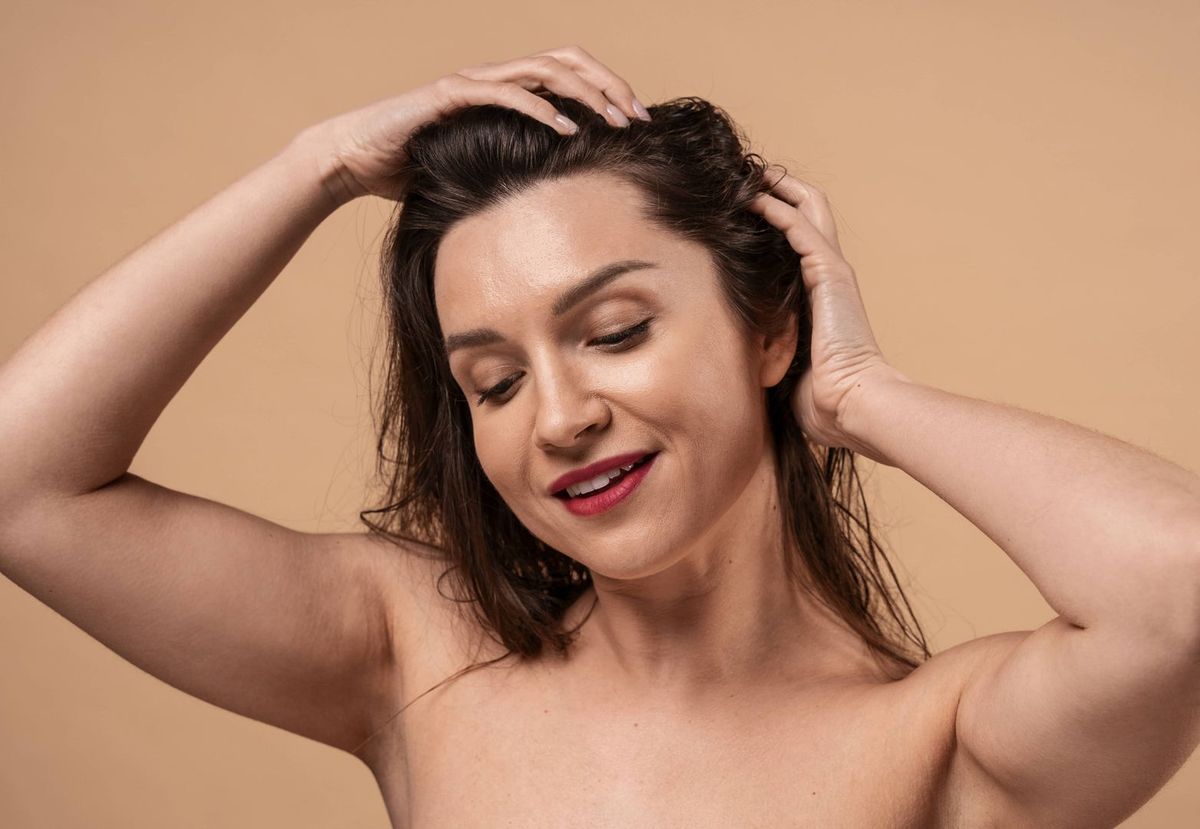
Ayurvedic Hair Treatment for Hair loss and Regrowth
An Ayurvedic Hair Treatment and Perspective For Hair Problem Ayurveda, the “science of life,” offers a profound and holistic perspective on hair care, viewing healthy hair as a reflection of overall well-being. Unlike conventional treatments that often focus on superficial symptoms, Ayurvedic hair treatment delves into the root causes of hair problems, aiming to restore balance within the body and promote long-term hair health. This ancient system emphasizes a personalized approach, considering an individual’s unique constitution (Prakriti) and the balance of their vital energies (Doshas) – Vata, Pitta, and Kapha. Lustrous, voluminous hair has always been associated with vitality and well-being. However, in today’s fast-paced world, hair loss has become an increasingly common concern, affecting individuals across ages and genders. While modern science offers various treatments, Ayurveda, the ancient Indian system of medicine, provides a holistic understanding of hair fall and presents a comprehensive approach to not only control hair loss but also stimulate healthy hair growth. This blog delves into the Ayurvedic perspective on the root causes of hair fall and explores the profound benefits of the Ayurvedic Inside-Out Therapy in restoring and maintaining healthy, thriving hair. The Ayurvedic Philosophy of Hair Health: In Ayurveda, hair is considered a “Upadhatu” or a byproduct of the bone tissue (Asthi Dhatu). This connection highlights the importance of overall skeletal health and proper nourishment for healthy hair growth. The health and characteristics of your hair – its texture, thickness, color, and growth pattern – are believed to be influenced by your dominant Doshas. Ayurvedic hair treatment aims to identify and address any underlying Dosha imbalances through a combination of herbal remedies, dietary adjustments, lifestyle modifications, and specialized therapies. Ayurveda emphasizes a holistic approach to health, addressing the root cause of ailments rather than just treating the symptoms. The Ayurvedic Inside-Out Therapy for hair care embodies this principle, working synergistically through internal and external treatments to control hair fall and promote healthy, sustainable hair growth. Our carefully formulated Ayurvedic Hair Growth Tablets are designed to address the internal imbalances that contribute to hair loss and provide the essential nourishment for healthy hair growth. This internal therapy typically involves a potent blend of traditionally revered herbs: By addressing the internal doshic imbalances, reducing Ama, and providing essential nutrients, these Ayurvedic tablets create a fertile ground for healthy hair to flourish, laying the foundation for effective hair fall control and natural hair regrowth. Our carefully crafted Ayurvedic Hair Oil complements the internal therapy by directly nourishing the scalp and hair strands. This external application typically involves a synergistic blend of: Regular massage with Ayurvedic Hair Oil offers numerous benefits: The Synergistic Power: Inside-Out Therapy for Lasting Results The true efficacy of the Ayurvedic Inside-Out Therapy lies in the combined action of internal nourishment through the tablets and external revitalization through the oil. By addressing the root causes of hair loss from within while simultaneously nurturing the scalp and hair externally, this holistic approach offers a comprehensive solution for controlling hair fall and promoting sustainable, healthy hair growth. The Ayurvedic Inside-Out Therapy is not a quick fix but a journey towards restoring balance and harmony within your body, which in turn reflects as healthy, vibrant hair. Consistent adherence to this approach, along with a balanced diet, stress management techniques, and a healthy lifestyle, can yield significant and long-lasting results in controlling hair fall, promoting natural hair regrowth, and achieving overall hair wellness. Embrace the ancient wisdom of Ayurveda and unlock the secret to truly radiant and healthy hair from the inside out.
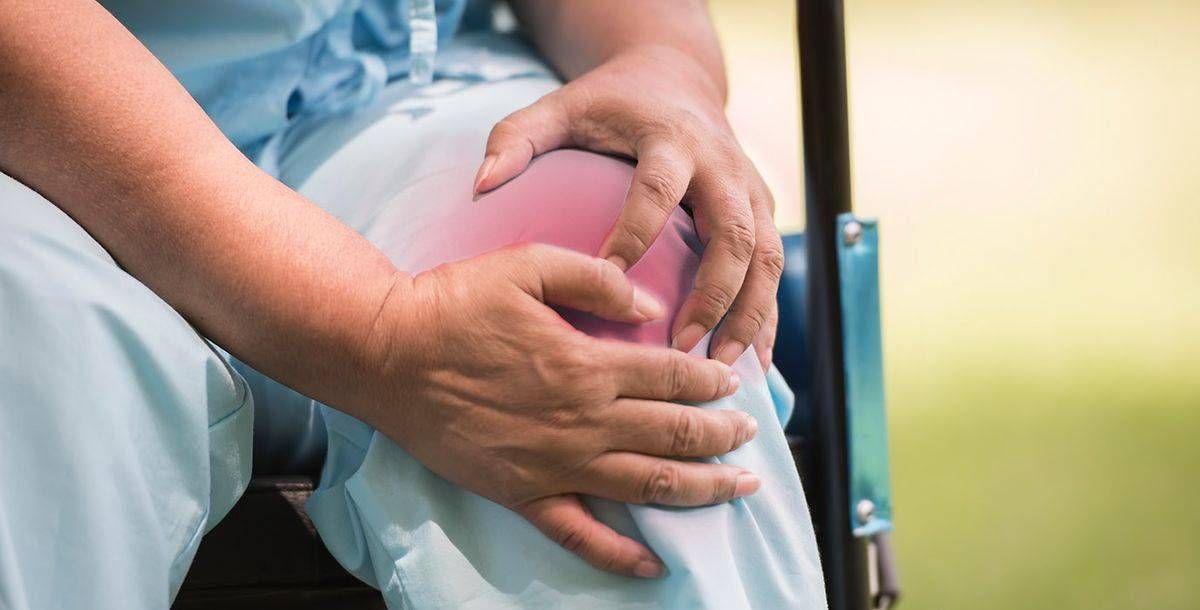
Ayurvedic Herbs for Joint Health: Alleviating Joint Pain Relief Naturally
Introduction to Joint Pain Joint pain is a prevalent issue that affects individuals across all age groups, from young adults to the elderly. This discomfort can stem from various causes, including injury, inflammation, and degenerative diseases such as arthritis. Regardless of its origin, joint pain can significantly impair one’s quality of life, limiting mobility and hindering day-to-day activities. The significance of addressing joint pain cannot be overstated. When left untreated, it can lead to chronic conditions that may require extensive medical intervention. Moreover, persistent joint pain can contribute to a sedentary lifestyle, which in turn increases the risk of developing other health issues like obesity, cardiovascular diseases, and diabetes. Maintaining joint health is essential for overall well-being. Healthy joints allow for smooth and pain-free movement, enabling individuals to engage in physical activities and maintain an active lifestyle. Furthermore, good joint health supports independence and improves the ability to perform daily tasks, contributing to better mental and emotional health. Given the widespread impact of joint pain, it is crucial to explore various methods of alleviating this discomfort and promoting joint health. Among the many approaches available, the use of Ayurvedic herbs offers a natural and holistic solution. Ayurveda, an ancient system of medicine, emphasizes balance and harmony within the body, utilizing herbal remedies to address various ailments, including joint pain. In the following sections, we will delve into specific Ayurvedic herbs known for their efficacy in alleviating joint pain and enhancing joint health. By understanding these natural remedies, individuals can make informed decisions about incorporating them into their wellness routines, ultimately leading to improved joint function and overall quality of life. Joint pain is a common affliction that can manifest in various forms, affecting different areas of the body and presenting a range of symptoms. Understanding the distinct types of joint pain is crucial for effective management and treatment. Arthritis Arthritis is a broad term encompassing multiple conditions that involve inflammation of the joints. The primary symptoms include swelling, pain, stiffness, and decreased range of motion. Arthritis can affect any joint in the body, often leading to chronic pain and disability if not managed properly. Osteoarthritis Osteoarthritis is the most prevalent form of arthritis, often referred to as a degenerative joint disease. It occurs when the protective cartilage that cushions the ends of the bones wears down over time. Common symptoms include joint pain, tenderness, stiffness, and loss of flexibility. Osteoarthritis typically affects the knees, hips, spine, and hands. Rheumatoid Arthritis Rheumatoid arthritis is an autoimmune disorder that causes the body’s immune system to attack its own tissues, particularly the joints. This leads to painful swelling, joint deformity, and bone erosion. Rheumatoid arthritis commonly affects the small joints in the hands and feet but can also impact the wrists, elbows, knees, and ankles. Gout Gout is a type of arthritis characterized by sudden, severe attacks of pain, redness, and tenderness in the joints, often the big toe. It results from an accumulation of urate crystals within the joint, leading to intense pain and inflammation. Gout episodes can be intermittent but are often debilitating during flare-ups. Bursitis Bursitis is the inflammation of the bursae, the fluid-filled sacs that cushion the bones, tendons, and muscles near the joints. It commonly affects the shoulders, elbows, and hips. Symptoms include pain, swelling, and restricted movement in the affected area. Bursitis is often caused by repetitive motion or prolonged pressure on the joint. By understanding these various types of joint pain, individuals can better identify their symptoms and seek appropriate treatments, including natural remedies such as Ayurvedic herbs that may offer relief and improve joint health. Common Causes of Joint Problems Joint problems can arise from a multitude of factors, each contributing uniquely to the onset and progression of discomfort and pain. One of the most prevalent causes is aging. As individuals age, the natural wear and tear on the joints increase, leading to a gradual breakdown of cartilage. This degradation results in conditions such as osteoarthritis, where the cushioning between bones diminishes, causing pain and stiffness. Injury is another significant contributor to joint issues. Traumatic events, such as fractures, sprains, or dislocations, can inflict damage on the ligaments, tendons, and cartilage, causing long-term joint problems even after the initial injury has healed. Additionally, repetitive strain injuries from activities that involve repetitive motions can exacerbate joint wear and tear, leading to chronic pain. Inflammation plays a crucial role in joint health. Conditions like rheumatoid arthritis are characterized by chronic inflammation of the joints, which not only causes pain but can also lead to severe joint damage over time. Inflammatory responses can be triggered by various factors, including autoimmune disorders where the body’s immune system mistakenly attacks healthy joint tissue. Autoimmune disorders, such as lupus and psoriatic arthritis, are notable for their impact on joint health. These conditions cause the immune system to target the joints, leading to persistent inflammation, pain, and potential joint deformities. The complexity of autoimmune disorders makes them challenging to manage, often requiring a holistic approach to treatment. Infections can also be a source of joint problems. Septic arthritis, for example, is an infection in the joint caused by bacteria, viruses, or fungi. This condition can lead to rapid joint damage if not promptly treated. Infections can spread from other parts of the body to the joints, emphasizing the importance of addressing systemic infections promptly. Understanding these common causes of joint problems is essential for both prevention and effective management. By recognizing the underlying factors, individuals can take proactive steps to maintain joint health and mitigate the risk of chronic pain and dysfunction. Introduction to Ayurvedic Medicine This ancient practice is grounded in the belief that health and wellness depend on a delicate balance between the mind, body, and spirit. The foundation of Ayurveda is the concept of the three doshas: Vata, Pitta, and Kapha. Each dosha represents a combination of the five elements—earth, water, fire, air, and ether—and governs different physiological functions in the body. Vata is associated with movement and
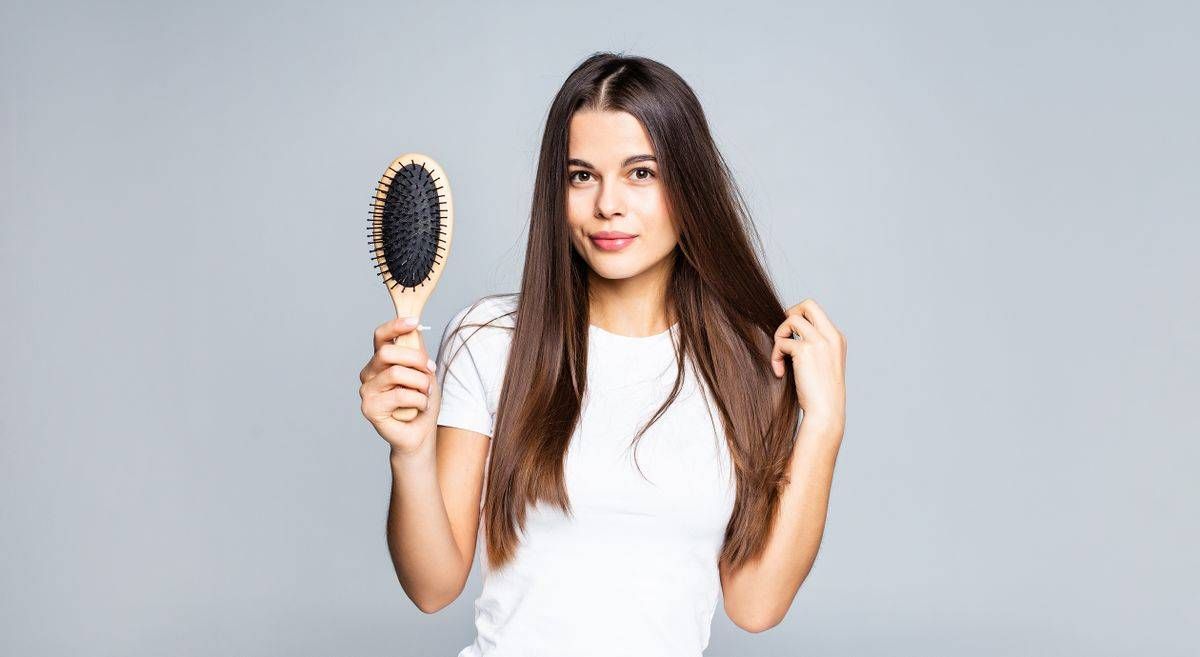
Understanding Hair Fall Causes and Natural Remedies
Understanding Hair Fall Causes : Exploring Natural Remedies for Hair Fall Hair, often considered a symbol of beauty and vitality, plays a significant role in our self-esteem and overall appearance. Experiencing hair fall can be distressing, leading to concerns about aging, health, and self-image. While shedding a certain amount of hair daily is normal, excessive hair loss can be a sign of an underlying issue. Understanding the various causes of hair fall is the first step towards addressing it effectively. Fortunately, nature offers a wealth of remedies that can help combat hair loss and promote healthy hair growth. Hair fall can be described as the excessive loss of hair from the scalp. It is a natural process, as people lose about 50-100 hairs per day. However, if you are losing more hair than this, or if your hair is becoming thinner, it may be a sign of a problem. Before delving into the causes of hair fall, it’s essential to understand the natural hair growth cycle. Each hair follicle goes through three distinct phases: Hair fall becomes a concern when there’s a disruption in this cycle, leading to more hair entering the telogen phase prematurely or a shortening of the anagen phase, resulting in fewer new hairs growing to replace the ones that have fallen out. Hair loss can be triggered by a multitude of factors, both internal and external. Identifying the specific cause is crucial for implementing the right approach to control and reverse it. While addressing the underlying cause of hair loss is crucial, several natural remedies can support hair health, strengthen follicles, and potentially stimulate regrowth. These remedies often work synergistically to nourish the scalp, improve circulation, and provide essential nutrients. The Importance of Patience and Consistency: Natural remedies for hair loss often require time and consistent application to show noticeable results. It’s essential to be patient and incorporate these remedies into your regular hair care routine. If your hair loss is sudden, severe, or accompanied by other symptoms, it’s always best to consult a dermatologist or healthcare professional to identify the underlying cause and receive appropriate medical advice. By understanding the multifaceted causes of hair fall and embracing the power of natural remedies, you can take proactive steps towards achieving a healthier scalp and stronger, more vibrant hair. Remember that a holistic approach, combining gentle care, natural treatments, a balanced diet, and stress management, is often the most effective way to address hair loss and promote long-term hair health. Revive Your Roots: Embracing Ayurvedic Solution for Healthy Hair In a world saturated with quick-fix hair solutions, Ayurveda offers a refreshing and time-tested approach: nurturing your hair from its very foundation. This ancient Indian system of medicine views hair health as a reflection of your overall well-being, emphasizing balance within your body and a connection with nature. Forget harsh chemicals and embrace the gentle power of Ayurvedic hair treatment for truly vibrant and healthy hair. The Ayurvedic Philosophy: Beauty from Balance Ayurveda recognizes that your hair’s condition is intrinsically linked to your unique constitution (Prakriti) and the balance of your three vital energies, or Doshas: Vata, Pitta, and Kapha. An imbalance in these Doshas, often influenced by diet, lifestyle, and stress, can manifest as various hair concerns like hair fall, dryness, dandruff, and premature graying. Ayurvedic hair treatment aims to identify and address these underlying imbalances, promoting harmony within for beautiful hair without. The Pillars of Ayurvedic Hair Care: Ayurvedic hair treatment encompasses a holistic approach, incorporating several key practices: The Benefits of Choosing Ayurveda for Your Hair: Opting for Ayurvedic hair treatment offers a wealth of advantages: Embrace the Ancient Wisdom: In a world of fleeting trends, Ayurvedic hair treatment stands as a testament to the enduring power of nature and holistic well-being. By embracing this ancient wisdom, you can move beyond superficial solutions and embark on a journey towards truly healthy, strong, and radiant hair – nurtured from the roots up, the Ayurvedic way. It’s time to revive your roots and unlock the natural beauty of your hair with the gentle yet potent touch of Ayurveda.
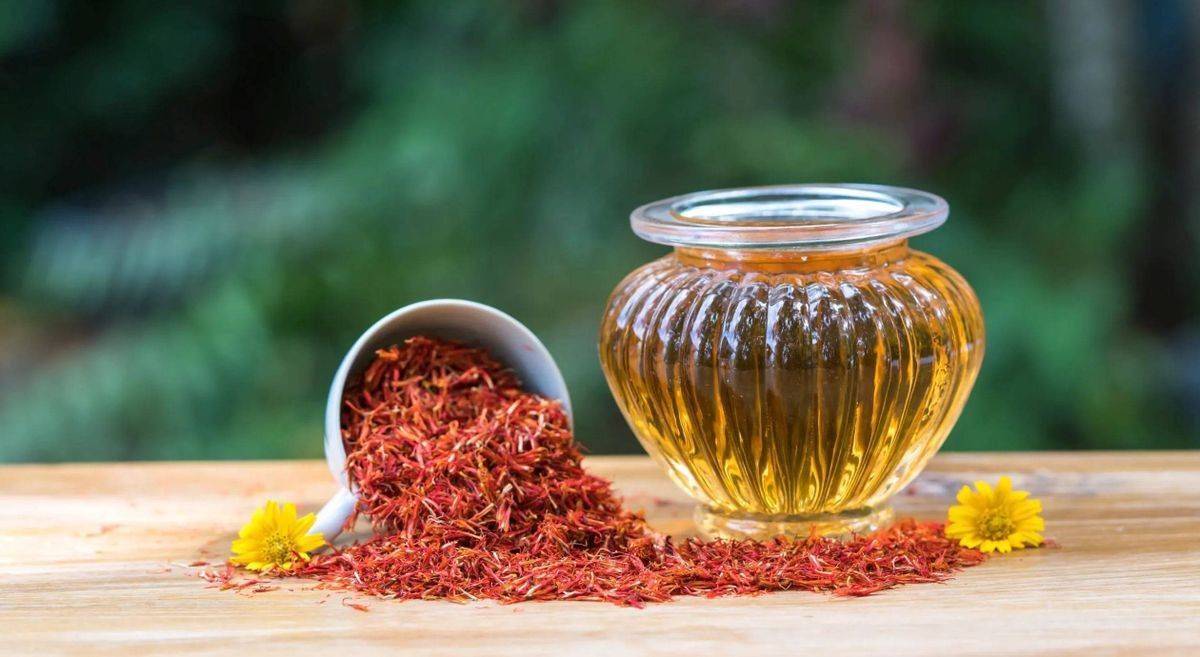
Discovering the Radiance of Kumkumadi Oil: Unveiling its Skin Benefits
Kumkumadi Oil:In the realm of natural beauty remedies, the treasure trove of Ayurveda has always fascinated skincare enthusiasts. One such ancient elixir that has gained immense popularity in recent times is Kumkumadi oil. Derived from a blend of potent herbs and oils, this luxurious concoction holds remarkable benefits for the skin. In this blog, we will delve into the world of Kumkumadi oil and explore its incredible skin-enhancing properties. A Time-Honored Tradition:Kumkumadi oil has its roots deeply embedded in Ayurvedic traditions. Originating from the southern region of India, this exquisite blend of herbs has been used for centuries to enhance the natural beauty and radiance of the skin. The name “Kumkumadi” is derived from two words: “Kumkuma,” which means saffron, and “adi,” which denotes oil. Ingredients and Preparation:Kumkumadi oil is carefully prepared using a unique combination of potent ingredients. Saffron, known for its brightening properties, forms the cornerstone of this formulation. Other prominent components include sesame oil, almond oil, Indian madder, sandalwood, turmeric, vetiver, and various other botanical extracts. These ingredients are meticulously combined and subjected to a specific extraction process, resulting in the creation of this luxurious oil. Skin Benefits of Kumkumadi Oil: 1- Brightening and Radiance: Kumkumadi oil is renowned for its ability to enhance the complexion and bestow a natural radiance. Saffron, a key ingredient, helps to lighten the skin tone and reduce the appearance of dark spots and blemishes. 2- Anti-Aging Properties: The blend of herbs in Kumkumadi oil exhibits potent anti-aging effects. It helps to minimize the appearance of fine lines, wrinkles, and age spots, promoting a more youthful and rejuvenated complexion. 3- Skin Nourishment: Kumkumadi oil is rich in essential fatty acids, vitamins, and antioxidants, which deeply nourish and hydrate the skin. Regular use of this oil can help improve skin texture, making it softer, smoother, and more supple. 4- Even Skin Tone: The presence of turmeric in Kumkumadi oil contributes to its ability to promote an even skin tone. Turmeric has natural skin-lightening properties, helping to reduce the appearance of hyperpigmentation and creating a more balanced complexion. 5- Acne and Blemish Control: The anti-inflammatory and antibacterial properties of Kumkumadi oil can assist in controlling acne breakouts and reducing the visibility of blemishes. It helps to calm the skin, reduce redness, and prevent the formation of new acne lesions. 6- Revitalizes Dull Skin: Kumkumadi oil is renowned for its ability to revive dull and lifeless skin. Its unique blend of herbs and oils helps to boost circulation, improving the overall health and vitality of the skin, resulting in a natural glow. How to Use Kumkumadi Oil:To harness the benefits of Kumkumadi oil, it is essential to use it correctly. Here’s a simple guide: Cleanse your face thoroughly.Take a few drops of Kumkumadi oil on your palm and gently massage it into your face and neck using upward circular motions.Leave it on for at least 30 minutes, allowing the oil to penetrate the skin.Rinse off with lukewarm water or leave it overnight for deeper nourishment.For optimal results, use Kumkumadi oil regularly as part of your skincare routine.Conclusion:In the world of skincare
Lavender Essential Oil benefits and How to Use?
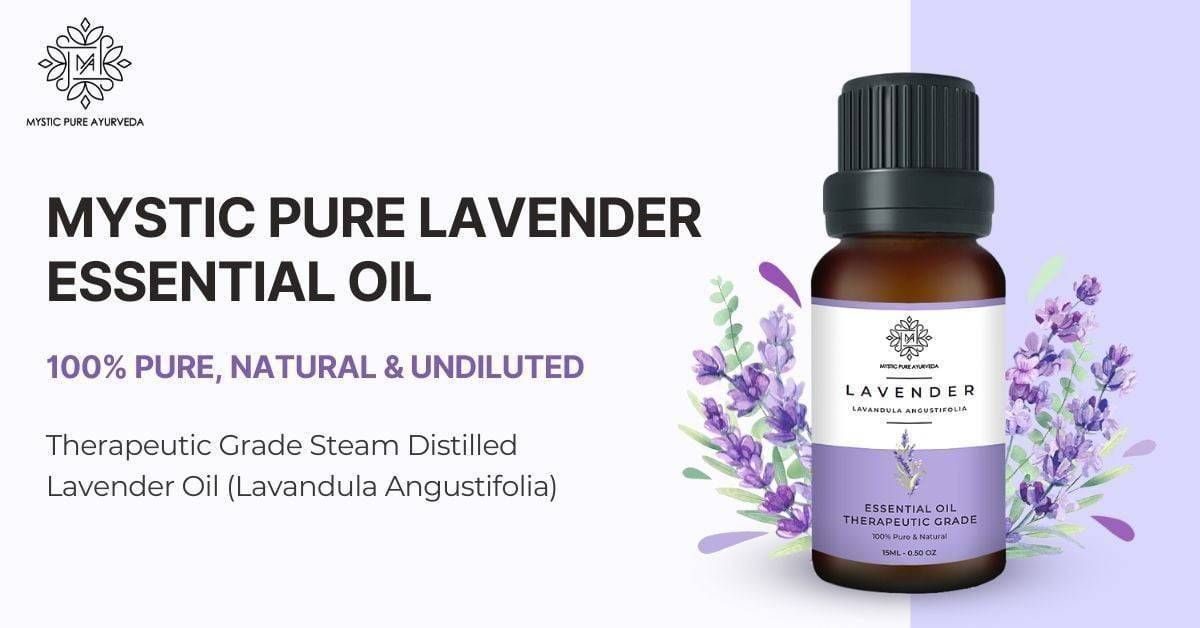
How to Make Your Own Lavender Essential Oil Aromatherapy Blend Making your own lavender essential oil aromatherapy blend is a great way to enjoy the calming and soothing effects of lavender. This blend can be used in a variety of ways, such as in a diffuser, in a bath, or even as a massage oil. Here is a simple guide to creating your own lavender essential oil aromatherapy blend. First, you will need to gather the necessary ingredients. You will need lavender essential oil, a carrier oil, and any other essential oils you would like to add to your blend. Popular carrier oils include jojoba, sweet almond, and coconut oil. Popular essential oils to add to a lavender blend include chamomile, geranium, and ylang-ylang. Once you have gathered your ingredients, you will need to mix them together. Start by adding 10 drops of lavender essential oil to 1 ounce of your chosen carrier oil. Then, add 5 drops of each of the other essential oils you have chosen. Mix the oils together thoroughly. Next, you will need to store your blend. The best way to store your blend is in a dark glass bottle with a dropper lid. This will help to protect the oils from light and air, which can degrade them over time. Finally, you can use your blend. You can use it in a diffuser, in a bath, or as a massage oil. You can also use it to make your own homemade lotions and creams. Making your own lavender essential oil aromatherapy blend is a great way to enjoy the calming and soothing effects of lavender. With just a few simple steps, you can create your own unique blend that you can use in a variety of ways. The Benefits of Lavender Essential Oil for Hair Care Lavender essential oil is a popular choice for hair care due to its many beneficial properties. This oil is derived from the lavender plant, which is native to the Mediterranean region. It has a sweet, floral aroma and is known for its calming and soothing effects. Lavender essential oil is a powerful antioxidant, which helps to protect the hair from environmental damage. It also has antiseptic and anti-inflammatory properties, which can help to reduce scalp irritation and dandruff. Lavender essential oil can be used to promote hair growth and reduce hair loss. It helps to stimulate the scalp and increase circulation, which can lead to healthier hair follicles and stronger hair strands. Additionally, lavender essential oil can help to reduce scalp dryness and itchiness, as well as reduce the appearance of split ends. Lavender essential oil can also be used to add shine and luster to the hair. It helps to nourish the hair and scalp, leaving the hair looking and feeling softer and more manageable. Additionally, lavender essential oil can help to reduce frizz and flyaways, making it easier to style the hair. Finally, lavender essential oil can be used to help protect the hair from the damaging effects of heat styling. It helps to form a protective barrier around the hair, which can help to reduce the amount of heat damage caused by styling tools. Overall, lavender essential oil is a great choice for hair care due to its many beneficial properties. It can help to promote hair growth, reduce hair loss, add shine and luster, reduce scalp dryness and itchiness, and protect the hair from heat damage. For best results, it is recommended to use lavender essential oil in combination with other natural hair care products. How to Use Lavender Essential Oil for Better Sleep Good sleep is essential for overall health and wellbeing. Lavender essential oil is a natural remedy that can help improve sleep quality. This article will explain how to use lavender essential oil for better sleep. First, it is important to understand the basics of lavender essential oil. Lavender essential oil is derived from the lavender plant and has a sweet, floral scent. It is known for its calming and relaxing properties, which can help reduce stress and anxiety. To use lavender essential oil for better sleep, there are several methods. The most common is to add a few drops of the oil to a diffuser and let it disperse throughout the room. This will fill the room with the calming scent of lavender, which can help promote relaxation and better sleep. Another option is to add a few drops of lavender essential oil to a warm bath. The warm water and the scent of lavender can help relax the body and mind, making it easier to drift off to sleep. Finally, lavender essential oil can also be applied directly to the skin. Simply add a few drops of the oil to a carrier oil, such as coconut oil, and massage it into the skin. This can help reduce stress and anxiety, making it easier to fall asleep. In conclusion, lavender essential oil is a natural remedy that can help improve sleep quality. It can be used in a diffuser, added to a warm bath, or applied directly to the skin. With regular use, lavender essential oil can help promote relaxation and better sleep. The Benefits of Using Lavender Essential Oil for Skin Care Lavender essential oil is a popular choice for skin care due to its many beneficial properties. It is known for its calming and soothing effects, and it can be used to treat a variety of skin conditions. Lavender essential oil is derived from the lavender plant, which is native to the Mediterranean region. It has a sweet, floral scent and is often used in aromatherapy. The primary benefit of using lavender essential oil for skin care is its anti-inflammatory properties. Lavender essential oil has been shown to reduce inflammation and redness in the skin, making it an ideal choice for those with sensitive skin or skin conditions such as eczema and psoriasis. It can also be used to soothe sunburns and other skin irritations. In addition to